Why Choose NXP Engineering
From Foundations to Finishes: The Versatility of Concrete Contractors
Concrete specialists are important participants in the construction field. Their skill to handle tasks ranging from foundational work to decorative finishes showcases their versatility. With a deep understanding of both structural integrity and aesthetic appeal, these contractors collaborate closely with architects and engineers. This alliance guarantees that projects conform with safety standards and modern design trends. As the demand for innovative concrete solutions increases, what remarkable techniques and benefits do these contractors offer to the forefront?
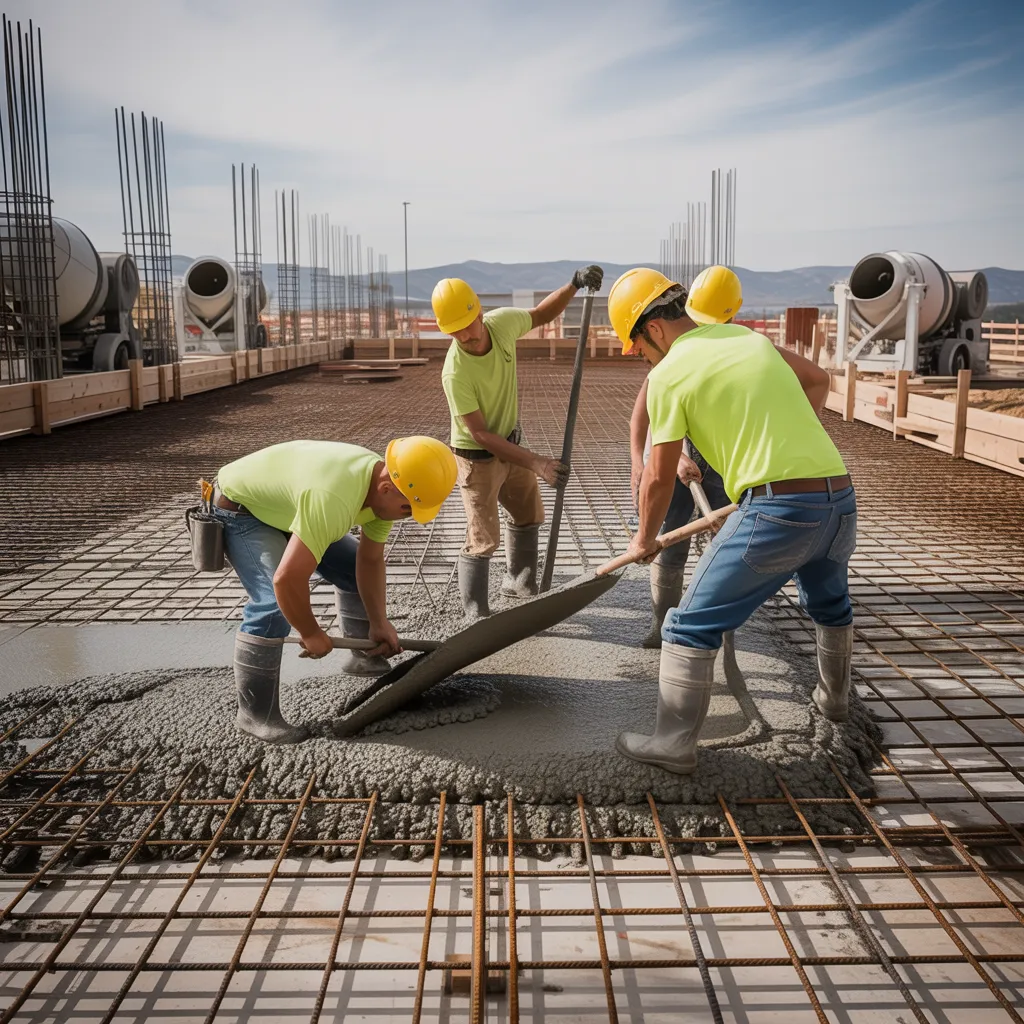
The Essential Role of Concrete Contractors in Construction
Concrete contractors play a pivotal role in the construction industry, ensuring that foundational elements are both sturdy and reliable. Their proficiency covers an extensive array of responsibilities, from casting concrete for foundational structures to developing complex ornamental finishes. These specialists are vital for the construction of home and business buildings, as they deliver the required foundation that upholds the complete undertaking.
Along with foundational work, concrete contractors are responsible for the installation of sidewalks, driveways, and patios, enhancing both the functionality and aesthetics of properties. They partner directly with architects and engineers to analyze blueprints and specifications, making sure that each project meets safety and quality standards. By utilizing advanced techniques and equipment, concrete contractors contribute to the durability and longevity of structures, eventually affecting the success of construction projects. Their skill not only enhances the structural integrity but also influences the overall efficiency of the construction process.
Critical Skills Each Concrete Contractor Should Have
Excelling in the concrete industry demands a wide-ranging set of skills that guarantee projects are completed effectively and to the highest standards. A concrete contractor must possess robust technical knowledge of materials, mixing ratios, and curing processes to confirm durability and longevity. Precision in measurements is critical, as even minor inaccuracies can result in structural concerns.
Furthermore, strong problem-solving abilities are essential when addressing unforeseen issues on-site. Clear communication encourages cooperation between subcontractors, clients, and architects, ensuring that all parties are aligned across the project duration.
Physical strength and stamina are equally important, as the job often involves lifting heavy materials and working in various weather conditions. Finally, familiarity with safety regulations and practices is vital to protect both the workers and the final structure. Combined, these skills create a well-rounded concrete contractor capable of delivering high-quality results.
Types of Concrete Services to Consider for Your Project
When preparing a construction or renovation project, several types of concrete services can improve both functionality and aesthetics. One of the key services is concrete pouring, which involves creating foundational structures such as slabs, footings, and walls. This service guarantees a solid base for any building or addition. Another essential service is concrete repair, which handles issues like cracks and surface damage, increasing the lifespan of existing structures.
Furthermore, concrete finishing services smooth the surface of poured concrete, offering a smooth or textured finish that achieves design expectations. Concrete stamping is an additional widely-used option, utilized to create patterns that imitate more expensive materials like stone or brick. Lastly, concrete sealing protects surfaces from moisture and stains, sustaining their integrity over time. Each one of these services serves a essential role in achieving durable, functional, and visually appealing results in any construction project.
Critical Decorative Concrete Techniques to Discover
When examining decorative concrete, numerous techniques are notable for their visual appeal and versatility. Stamped concrete patterns can replicate natural materials, while stained concrete finishes deliver a colorful touch to any surface. Additionally, polished concrete surfaces present a contemporary and polished look, making them popular choices for both residential and commercial spaces.
Stamped Concrete Design Patterns
While numerous concrete surfaces serve practical functions, stamped concrete patterns improve aesthetics, transforming ordinary slabs into visually impressive features. This decorative approach involves imprinting patterns and textures onto newly poured concrete, imitating materials like stone, brick, or tile. Residential and commercial property owners often select stamped concrete for patios, walkways, and driveways thanks to its versatility and durability. The process allows for a wide range of designs, permitting customization that suits different architectural styles. Additionally, stamped concrete can enhance outdoor spaces, providing a unique look without the high cost of natural materials. With suitable sealing, these patterns can withstand weather elements, making them a practical choice for both beauty and longevity in hardscaping installations.
Concrete Stain Finishing
Concrete staining provides a flexible and aesthetically pleasing option for upgrading interior and exterior surfaces. This process uses acidic or water-soluble stains to generate vibrant, semi-transparent colors that can mimic the aesthetic of natural stone or other materials. Concrete staining is appropriate for various applications, including residential patios, commercial floor surfaces, and artistic installations.
This process includes readying the concrete surface, applying the stain, and protecting the finish to protect the color and increase durability. Furthermore, stained concrete can be merged with other decorative techniques, such as stamping or engraving, to create unique designs. Overall, stained concrete finishes deliver an effective way to boost the aesthetic value of concrete while preserving its natural strength and longevity.
Polished Concrete Finishes
Polished concrete solutions deliver a sleek and modern aesthetic that elevates both commercial and residential properties. This decorative technique involves grinding and polishing concrete to obtain a lustrous surface, producing an attractive and long-lasting flooring solution. The process generally involves several phases of grinding, using successively smoother diamond abrasives, to develop a smooth surface. Polished concrete is not only visually appealing but also low-maintenance and resistant to stains, making it excellent for high-traffic areas. Furthermore, it can be customized with diverse hues and designs, permitting creative expression in design. As eco-consciousness gains prominence, polished concrete is an eco-friendly choice, using existing materials and decreasing the need for extra flooring materials.
Benefits of Using Concrete in Your Projects
Durability remains a distinguishing trait of concrete, making it an excellent choice for a multitude of construction projects. Its strength against weather elements, moisture, and wear guarantees longevity, decreasing the need for frequent repairs or replacements. In addition to its strength, concrete is extremely versatile, ideal for applications extending from driveways to decorative patios and structural foundations.
Moreover, the low maintenance needs of concrete attract both residential owners and commercial building administrators. It can be finished in numerous textures valuable guide and colors, enabling aesthetic flexibility while maintaining functionality. Energy efficiency is an additional benefit; concrete retains coolness in warm climates and warmth in cooler temperatures, resulting in reduced energy costs.
Additionally, concrete is eco-friendly. By being able to incorporate recycled materials, it lessens waste and supports sustainability. These qualities collectively position concrete as a superior choice for varied construction projects, delivering a solid solution for multiple projects.
Picking the Right Concrete Contractor: What to Look For
Choosing the right concrete contractor is a crucial step in ensuring that the benefits of concrete are fully achieved in any construction project. When selecting a contractor, several key factors should be evaluated. Most importantly, confirm their experience and expertise in handling projects comparable to yours. A credible contractor will present a portfolio of past work and references from happy clients.
In addition, evaluate their licensing and insurance status to ensure compliance with local regulations and protection against potential liabilities. Communication skills are equally essential; a reliable contractor should be reachable and willing to address any questions or concerns throughout the project.
Finally, acquire multiple quotes to evaluate pricing and verify fair rates. By thoroughly examining these considerations, clients can make an informed decision, ultimately bringing about a successful concrete project that meets their needs and expectations.
Emerging Trends in Concrete Design and Construction
Concrete design and construction's future is progressively influenced by sustainable material innovations, which aim to reduce environmental impact. Additionally, the emergence of smart concrete technologies offers superior structural performance and monitoring capabilities. Design aesthetic trends keep evolving, offering architects and builders fresh approaches to blend concrete into visually appealing and functional spaces.
Eco-Friendly Material Advancements
As construction companies experience rising demands to decrease their ecological footprint, eco-friendly material advancements are transforming concrete design and construction. Environmentally conscious options, like recycled aggregates and industrial by-products such as fly ash and slag, are being blended into concrete mixes, substantially decreasing carbon emissions. In addition, advancements in concrete formulations, such as geopolymers and carbon-capturing processes, are promoting sustainability without compromising structural integrity. The use of pervious concrete is also gaining momentum, enabling better stormwater management and reduced urban flooding. These innovations not only boost the performance of concrete but also contribute to a circular economy by decreasing waste. As the demand for more environmentally responsible construction practices increases, these sustainable developments are set to become standard in future concrete projects.
Advanced Concrete Technologies
Cutting-edge smart concrete technologies are transforming the landscape of concrete design and construction, paving the way for enhanced functionality and efficiency. These innovations include self-healing concrete, which employs embedded microcapsules to release healing agents when cracks develop, prolonging the lifespan of structures. Additionally, concrete embedded with sensors can monitor temperature, stress, and other parameters, supplying real-time data to enhance maintenance and improve safety. Another rising trend is the use of phase change materials within concrete, allowing temperature regulation and energy efficiency in buildings. Moreover, the integration of digital tools such as Building Information Modeling (BIM) optimizes project planning and execution. As these technologies progress, they promise to reshape the capabilities of concrete, making it a more intelligent and adaptive material for future construction projects.
Design Aesthetic Patterns
Advancements in smart concrete technologies are not only elevating functionality but also influencing aesthetic design trends in the construction industry. More and more, architects and designers are discovering innovative finishes, colors, and textures that advance concrete beyond its traditional utilitarian image. Processes such as stamping, staining, and polishing permit the material to mimic natural stones or wood, delivering a sophisticated appearance. Moreover, the integration of lighting effects in concrete surfaces is becoming popular, permitting dynamic installations that transform spaces. Sustainable design is also a priority, driving the use of recycled materials and eco-friendly additives that improve visual appeal while encouraging environmental responsibility. These trends represent a shift towards concrete as a versatile medium for artistic expression in modern architecture.
Frequently Asked Questions
What Is the Timeline for a Standard Concrete Project?
A standard concrete project typically takes anywhere from several days to a few weeks for completion. Factors influencing duration include the size of the project, complexity, weather conditions, and curing times, which differ based on specific requirements.
How Should I Handle Cracked Concrete?
When concrete develops cracks, it's important to assess the severity, prepare the area, and seal small cracks with a suitable repair compound. For more significant issues, consulting a professional for assessment and potential reinforcement is recommended.
Are Concrete Contractors Both Licensed and Insured?
Absolutely, reliable concrete contractors are generally licensed and insured. This ensures they comply with local regulations and standards, offering clients protection from potential liabilities and delivering quality workmanship throughout the project.
Is It Safe to Pour Concrete in Cold Weather?
Yes, concrete can be poured in cold weather, but precautions are necessary. Utilizing suitable additives, preserving optimal temperatures, and ensuring correct curing techniques are crucial to prevent freezing and secure a successful pour.
What Is the Typical Cost of Concrete Services?
The average cost of concrete services generally ranges from $100 to $150 per cubic yard, affected by factors such as location, project complexity, and material quality, ultimately affecting the total cost for customers looking for these services.